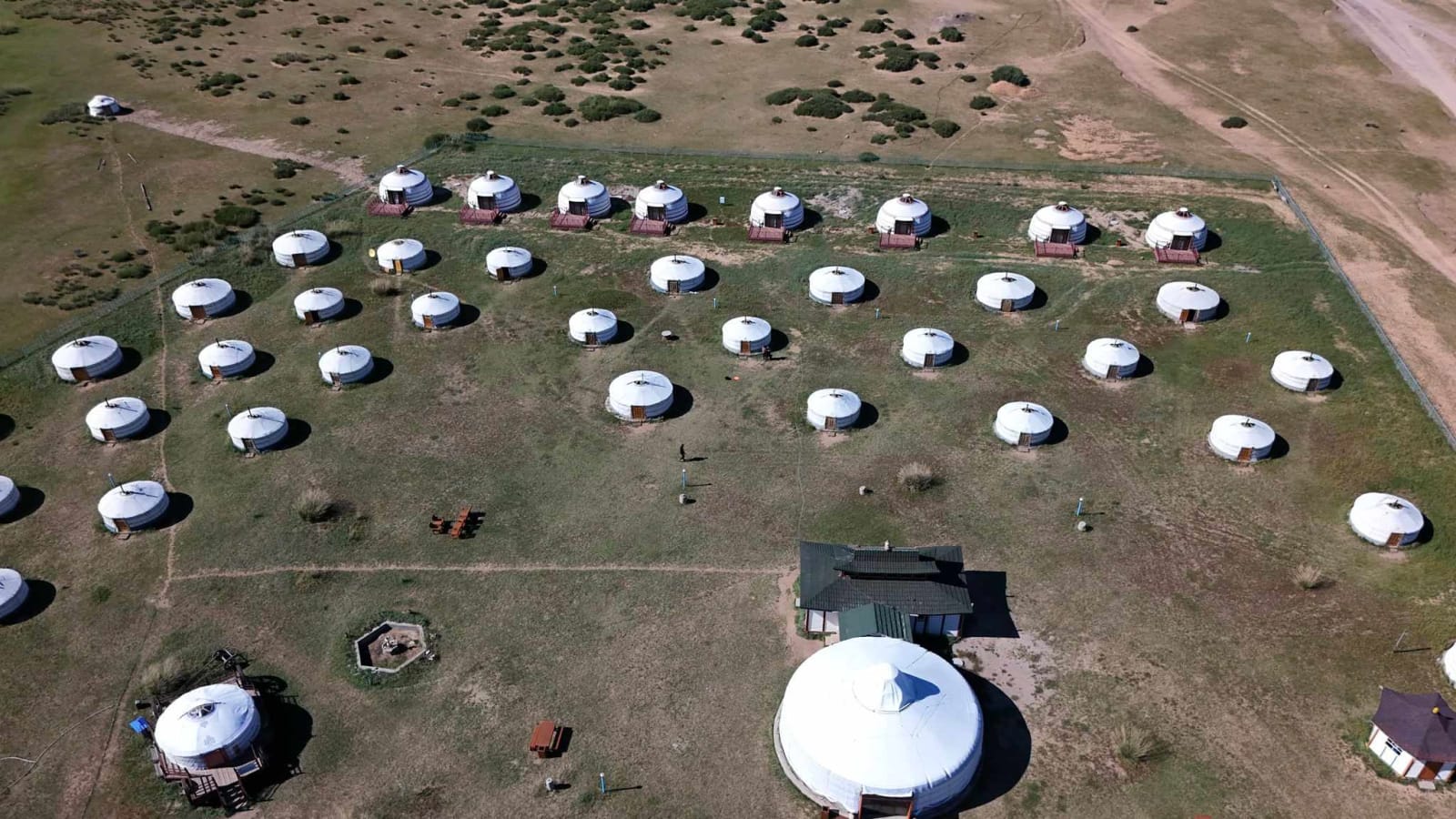
6-Day Mongolia Monastery and Nomadic Tour with Khustai and Terelj

About This Tour
Embark on this six-day adventure through the captivating landscapes and historical landmarks of Mongolia. Starting from Ulaanbaatar, you will journey to Elsen T...
Duration: 6 Days · Tour type: Private · Activity level: Easy · Accommodation: Included · Standard · Transport: Included · Wheelchair access: No · Cities: Ulan Bator, Khustain Nuruu National Park, Gorkhi-Terelj National Park, Kharkhorin · Languages: English, Mongolian
About Gorkhi-Terelj National Park

Gorkhi-Terelj National Park
Explore the list of top ranked local tour guides in Gorkhi-Terelj National Park. Get tour activities offered by tour companies and independent travel guides in Gorkhi-Terelj National Park.
What's Included
- Guest house/ger camp
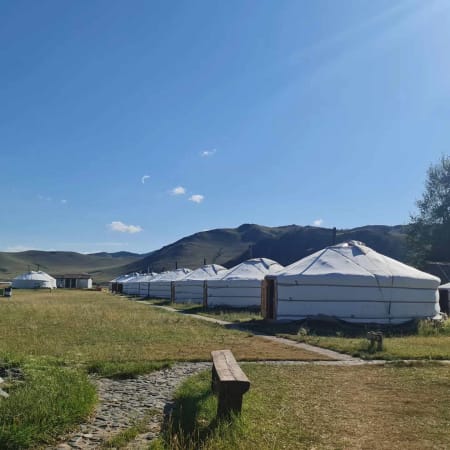
- Nomad family ger
- Travel car/transportation
- English-speaking guide
- Horse guide
- Entry fees to national parks and museums
- Daily bottled water
- Meals as indicated in the itinerary
- Horse riding
Not Included
- Items for personal use, beverages, and alcoholic drinks
- Travel & medical insurance
- International transportation
- Accommodation & meals in Ulaanbaatar
- Visa fee
- Single supplement
- Gratuity for the guide and driver
Itinerary
-
1Day 01
Elsen Tasarkhai Sand Dunes and Horse Riding
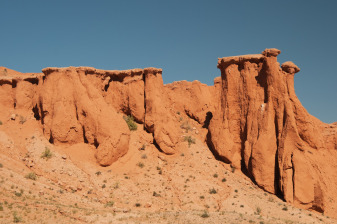
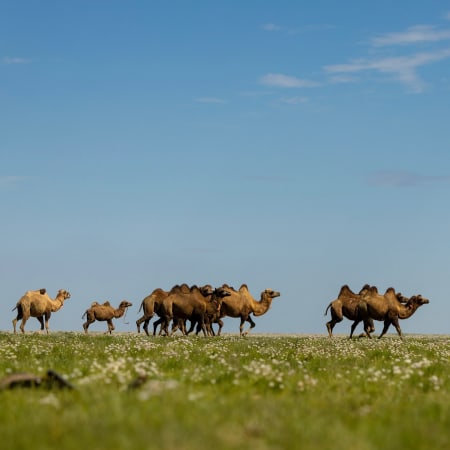
Elsen Tasarkhai is part of the Mongol Els sand dunes, which stretch for 80 km and are 5 km wide across Burd, Bulgan, and Gurvanbulag soums of Uvurkhangai Province. It is located 280 km west of Ulaanbaatar and 90 km east of Karakorum, the ancient Mongolian capital. The area is surrounded by sand dunes, hills covered with rare bushes, and a small forest near a river. Together, these create a unique combination of Mongolian mountains, forests, and Gobi-type landscape in one location. Local people call these sand dunes Duut Mankhan, or "Singing Sand". Accommodation: Nomadic family Meals: Lunch, Dinner Activities: Horse riding Elsen Tasarkhai sand dune
-
2Day 02
Kharkhorin and Erdene Zuu Monastery
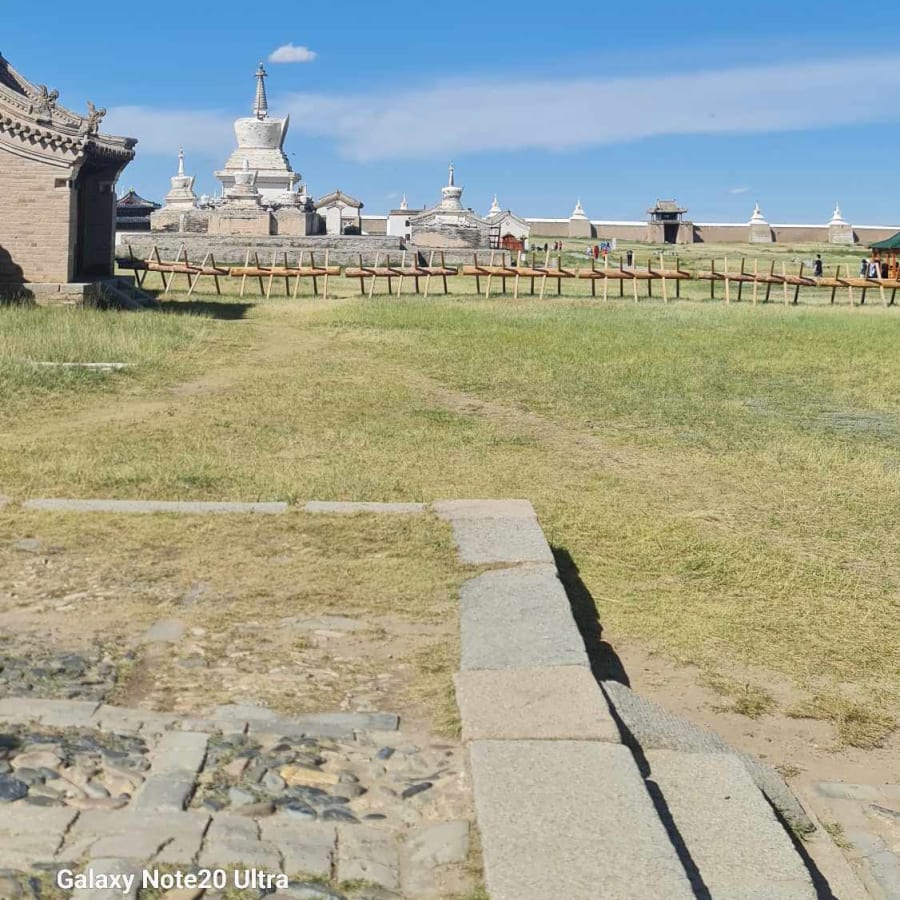
Today we will drive to Karakorum, also called Kharkhorin. Karakorum was the capital of Genghis Khan's Mongolian Empire in the thirteenth century. In 1220, Genghis Khan ordered the building of Karakorum on the ruins of Turug and Uigur cities in the Orkhon Valley at the eastern end of the Khangai Mountains. During the reign of Ugedei Khan, it was completed 15 years later. The town was very multicultural and culturally accepting. Between 1260 and 1380, Karakorum lost its status as the capital of the Great Mongolian Empire and became Mongolia's capital. When Kublai Khan and his younger brother, Ariq Boke, assumed the throne of the Mongol Empire in 1260, they moved their capital to what is now Beijing. Karakorum was reduced to the administrative center of a Yuan Dynasty provincial backwater. After 110 years, when Kublai Khan transferred the Empire's capital to China in 1260, the Mongolian Yuan Dynasty fell in 1368, and the center of Mongolian government shifted back to its homeland. This allowed Karakorum to regain some of its former glory. The town was captured and destroyed by Ming troops under General Xu Da in 1388. Nothing remains of this legendary city today. When Abtai Sain Khan and his brother, Lord Tumenkhen, went to the 3rd Dalai Lama in 1580 to express their desire to create a temple in Mongolia, he advised them to restore an old temple in Karakorum. The Main Zuu Temple of Erdene Zuu Monastery is a temple in the Takhai ruins that was restored in 1588 at the Dalai Lama's suggestion. Erdene Zuu Monastery is now all that remains of what was once a massive monastery with 100 temples and more than 1,000 lamas. You'll walk around the grounds of Erdene Zuu Monastery, which is encircled by huge 400 m x 400 m walls. You will be guided around the three remaining temples: the Dalai Lama Temple, Zuu of Buddha, and Lavrin Temple. The Karakorum Archaeological Museum will be another stop on your itinerary. It's a small museum, but it is housed in a new, well-run structure with good lighting and simple English labels on the display cases. The displays contain hundreds of artefacts from the 13th and 14th centuries that were discovered in the immediate region, as well as finds from archaeological sites in other provinces, including prehistoric stone tools. Pottery, bronzes, coins, religious sculptures, and stone inscriptions are among the objects on display. A half-excavated kiln is also sunk into the museum floor. The scale model of ancient Karakorum, which attempts to reflect the city as it would have existed in the 1250s and is based on descriptions written by the French missionary William of Rubruck, is perhaps the most intriguing feature. A Turkic noble tomb with wall paintings and artefacts, including gold objects and jewels, is on display in another chamber. A short video of the actual burial site is also available. Accommodation: Guest house Meals: Breakfast, Lunch, Dinner Activities: Visit Erdene Zuu Monastery Visit the Karakorum Archaeological Museum
-
3Day 03
Khustai National Park and Takhi Horses
The Przewalski's horse is a rare and endangered subspecies of wild horse found in the steppes of Central Asia, also known as the Takhi horse. It has been reintroduced to its natural habitat in Mongolia, where it was once extinct in the wild. In 1993, Khustain Nuruu National Park was designated as a reserve, and in 1998, it was upgraded to a national park. Today, there are approximately 350 Takhi horses in the park. The park is also home to 459 vascular plant species and 217 bird species. Accommodation: Nomadic family Meals: Breakfast, Lunch, Dinner Activities: Visit Khustai National Park Spot the wild horses
-
4Day 04
Terelj National Park, Turtle Rock and Aryabal Temple
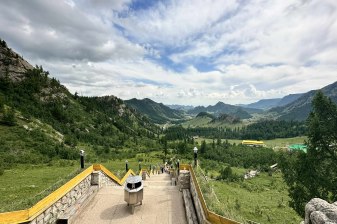
Terelj National Park is located 65 km northeast of Ulaanbaatar by paved road. High granite mountains with forest-covered northern slopes, multitudes of wildflower meadows, and spectacular rock formations shaped by the wind create a favorite landscape for visitors. Fast-flowing rivers and streams make the national park even more beautiful. Accommodation: Nomadic family Meals: Breakfast, Lunch, Dinner Activities: Turtle Rock Aryabal Meditation Temple Horse riding
-
5Day 05
Full-Day Horse Riding and Nomadic Life
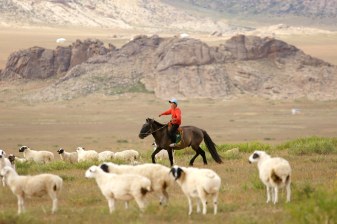
Activities: Horse riding tour Get to know the daily life of a herder family Accommodation: Nomadic family Meals: Breakfast, Lunch, Dinner
-
6Day 06
Chinggis Khaan Statue Complex and Return to Ulaanbaatar
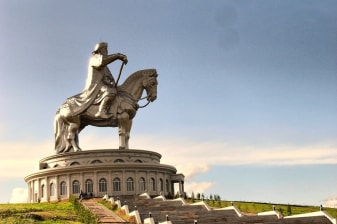
The largest equestrian statue in the world, the imposing Genghis Khan Statue Complex is a must-see when in Mongolia. Enjoy the sights and sounds of the open field and attractive mountain scenery. Genghis Khan divided the known globe in two during the 13th century, but he remains a national hero, a mythical figure, and a representation of Mongolian culture to Mongolians, and for good reason. Genghis Khan established the Mongol Empire, revitalized the Silk Road, brought together warring tribes, and cemented the Mongols' place on the geography of the globe. The Mongol Empire grew to become the greatest contiguous empire in history. Meals: Breakfast, Lunch Activities: Drive back to UB Transfer to hotel
Meeting Point
Meeting point: Ulaanbaatar, Mongolia · Tour start: Ulaanbaatar, Mongolia — Tour ends at the same location as the start point.